
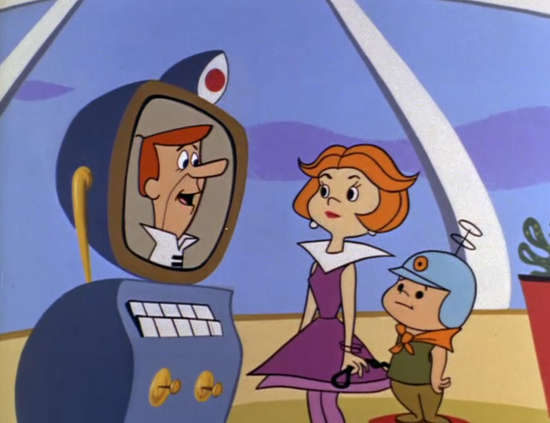
 It often seems like Douglas Coupland feels things before we do and finds some way to name things well. From his most recent Financial Times essay:
I’ve spent much of my life waiting for the future to happen, yet it never really felt like we were there. And then, in this past year, it’s become almost instantly and impossible to deny that we are now all, magically and collectively, living in that far-off place we once called the future — and we all know we’re inside it, too. It’s here, and it feels odd. It feels like that magical moment when someone has pulled a practical joke on you but you haven’t quite realised it yet. We keep on waiting for the reveal but the reveal is never going to happen. The reveal is always going to be imminent but it will never quite happen. That’s the future.
I think there are other things that nudge me into feeling that I’m part of the future, usually things like environmental, public health, and cultural concerns, which may mean that I’ve spent too much time in imaginary worlds. And yet.
But here we are, walking around with super-powered phones, flying across oceans frequently, living is a way-too abstract world. And, for Coupland at least, it’s a world that is always just about to emerge. From near the end of the essay:
I try to imagine a world without a present tense — the millennial world where time is a perpetual five seconds from now — and, if I squint my brain (for lack of a better analogy), I can almost sort of get it right. I suspect that abandoning one’s pre-internet brain is the only intelligent adaptive strategy necessary for mental health in the world of a perpetual future.
I’m not sure how I feel about Coupland’s conclusion, but then I’m not sure how much of that is up to me. I suppose the future is here whether I like it or not. I wouldn’t necessarily go so far as to say that I just have to live with it, but I definitely have to live in it.
You can read the entirety of Coupland’s essay here.


 Space Enough, and Time