
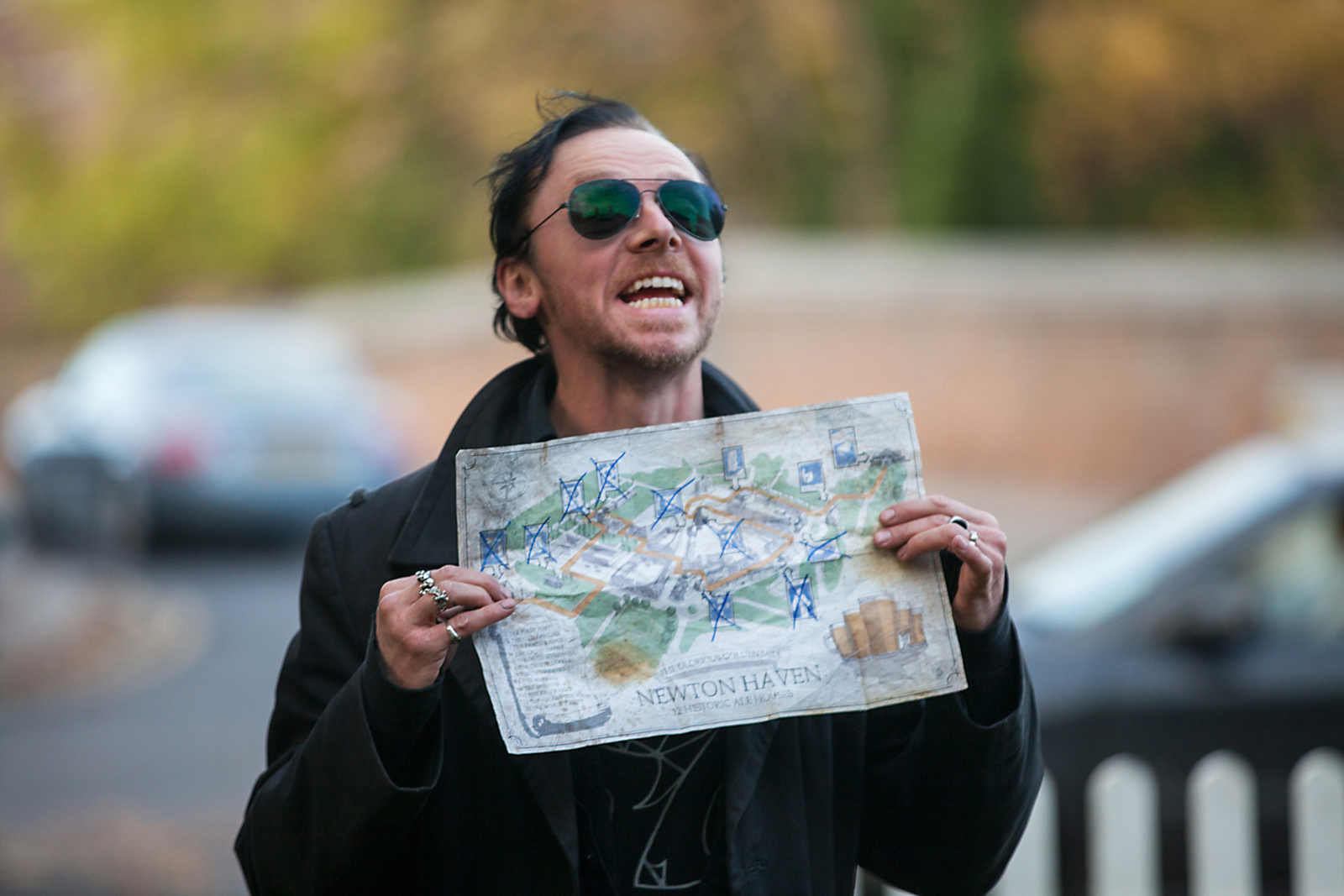
 Most critics agree: the summer of 2013 reminded us of the disposability of blockbuster movies. It seemed like every few days some new $100 million would-be blockbuster premiered, made a lot of money, and then was replaced by the next blockbuster. If you were lucky, you stayed in the collective consciousness for a couple of weeks. If you were unlucky, you were like The Lone Ranger or RIPD: DOA.
While most people will probably never see it, The World’s End has bucked that trend. Sure, it’s one of almost a dozen movies that featured the end of life as we know it on planet Earth. But it also has a repeat-viewing factor that blockbusters like Iron Man 3 or Man of Steel don’t necessarily have. Once you get over the surprise twists of such movies (he has no powers?! he killed his enemy?!), there’s not much to talk about. On the other end, there’s something like Woody Allen’s Blue Jasmine, which featured Cate Blanchett in an amazing performance. By the end of the movie, though, you feel bad for laughing at so many things that look like mental illness. And while TWE features a protagonist with a major problem, there’s an overarching storyline that is big enough to make the discerning viewer want to go back for more.
I say this partly because I’m a big fan of the movie but also because of a recent article posted to HTMLGIANT by AD Jameson. The article is a brilliant dissection of The World’s End, one that co-writer and actor Simon Pegg tweeted as being “not all right but mostly bang on.” “25 More Pints” is a twenty-five point consideration of the movie through a couple of different critical lenses: one based on the Cornetto trilogy and another based on the intricacies of the movie itself. And it is brilliant. Dialogue, recurrences, allusions to King Arthur, so many things that might seem lazy when used by others adds real depth to a story many might fight unsettling. Childhood and childhood’s end. Small town life. Technology. Aliens. It’s all there. Jameson even brings in big words like polysemy and concepts like the royal we, for crying out loud. I recommend the article to you, but only if you’ve seen the movie. And after you read the article, you’ll probably want to see the movie again. My favorite quote from the article is about how the movie handles adulthood as seen in the juxtaposition of Gary (whose life never got better than the end of high school) and his four friends (who have all gone on to “respectable” work and family life):
The World’s End, then, is an attack on the modern world, and a model of adulthood that necessitates replacing authentic youthful companions with corporate ones—friendships born out of career advancement, and the outward signs of progress, rather than genuinely liking someone, and therefore protecting them.
and
King doesn’t want to sober up, and that is indeed sad. There’s something pathetic about the guy who’s greatest night was some drunken teenage night. But at the same time, King stands firmly opposed to the phoniness of adult life—to the pretense of appearance. That is the way in which he’s heroic: he’s the only one who calls out getting older as “a big lie.” He’s fearless in his honesty, wearing his devotion to his childhood passions proudly.
If your up for some intense British humor, check out the movie. And check out all of Jameson’s article here. The language is rough, so be warned. But for critical thinking about a movie that has some kind of truth to it, you can’t go wrong.


 Space Enough, and Time