
 I’m about a week into Sherry Turkle’s Reclaiming Conversation: The Power of Talk in a Digital Age. As is often the case when reading about a given topic, you start to notice it everywhere once it’s on your radar. So while I’ll get back to Turkle’s book later, I thought I’d share a snippet from a recent interview with Wendell Berry from The Modern Farmer. As I’ve mentioned before, something about Berry’s non-fiction resonates with me in a way that his fiction hasn’t. I think it’s way of giving us a brilliant picture of a particular way of life that doesn’t over-romanticize it.
In the interview, Berry speaks some of farming. Then, at the interview’s end, he reflects on the connections made by farmers and what is being lost the more that that way of life fades. His response when asked if he sees that kind of connection being rebuilt:
Our neighbor with a CSA was telling Tanya about his little boy who wanted to pick the cherry tomatoes, and did. To have your heart thus warmed is part of a farm’s income. Neighbors working together have an income that’s never booked.
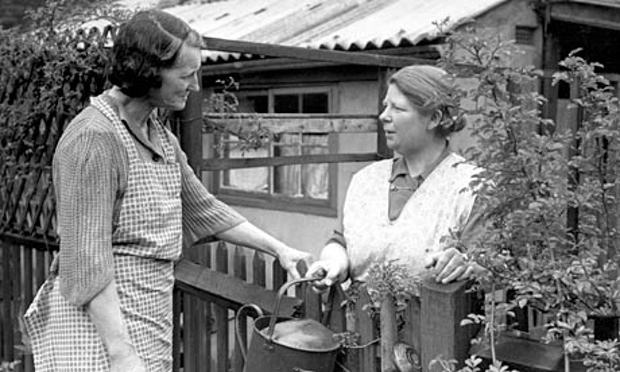
The old way of neighborly work-swapping here involved much talk. Neighbors worked together, a matter of utmost practicality, with a needed economic result, but the day’s work was also a social occasion. Is this a “spiritual” connection between neighbors, and between the neighborhood and its land? I suppose so, but only by being also a connection that is practical, economic, social, and pleasant. And affectionate.
That whole thing of looking somebody straight in the eye and saying something—my goodness. “I love you,” right into somebody’s face, right into their eyes, what a fine thing. Who would want to miss it?
People who talk only to communicate are different from people who talk for pleasure. People who talk for pleasure, as opposed to people who talk to communicate, become wonderful talkers over the years. They have eloquence.
One of the things that has surprised me most about teaching is its particularly solitary nature. Granted, you’re in front of dozens of students a day. But it’s possible to go the entire day and never really connect with another adult. And while it’s not the same as farming, there’s still something to be said for work conversation that transcends “talking only to communicate.”


 Space Enough, and Time