
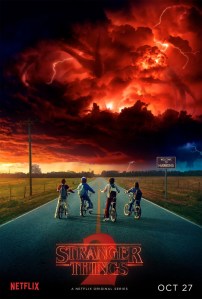
 My friends and I are just under halfway through the second season of Netflix’s Stranger Things. The end of episode three was so good that the fourth episode kind of begged to be watched.
It’s odd to reflect on the slow build of the first season . . . and then to remember the intensity of how it all came together in the end. Like so many “second” acts of a story, this second season has all of the main characters, all of those who shared the experience of season one, on their own trajectories. And so as they make questionable decisions, you find yourself doubly frustrated because you know they know better. And yet, because that’s the way both life and TV are, they don’t. And so season two brings with it a slow reweaving with a couple or three new strands added into the mix.
The theme of friendship is present, of course. As I saw from a quick glance of my Twitter feed a few days ago, there’s also something going on with processing trauma. That’s one big “meta” way that the show seems to be working this time around, which kind of makes it a science fiction version of Broadchurch, where things move forward at a deceptive, almost seeming retrograde, pace. With that sense of loss and devotion and trauma comes a cast of characters acting out, grasping for some way forward, even if it has the potential to cause more damage.
It’s fun having little real sense of where the story will end. The thing about franchises based on preexisting properties is that there’s a predictability to them that is both comforting and constraining. That’s not the case with newer, “smaller” shows that get to play by their own rules. I look forward to seeing what happens in the second half of the season.
(image from denofgeek.com)
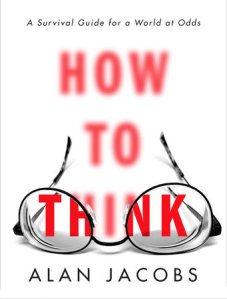 This morning I started my my quick second-reading of Alan Jacobs’s recent release, How to Think. Over the last two years, Jacobs’ voice has become one that I both enjoy and heed. While he doesn’t blog as much as I would like (and beggars can’t be choosers), I do find that what he does blog is always a good challenge.
 Last week I spent much of the flight from Amsterdam to Los Angeles reading about expeditions to the South Pole. I hadn’t anticipated that, but I’m glad it happened. And it happened because I was able to buy a copy of Francis Spufford’s True Stories & Other Essays just before leaving Edinburgh. I’ve been a fan of Spufford since Unapologetic. His Child That Books Built almost convinced me to read the Little House on the Prairie novels (which never quite happened). The first two sets of essays in the book are beyond the norm for me: essays about polar expeditions and mid-century Soviet thought. Section three, though, is about his religious writings, which I’m excited about getting into. Even the short introduction to the section packed a punch. An excerpt:


 Space Enough, and Time