Have TARDIS, Will Travel

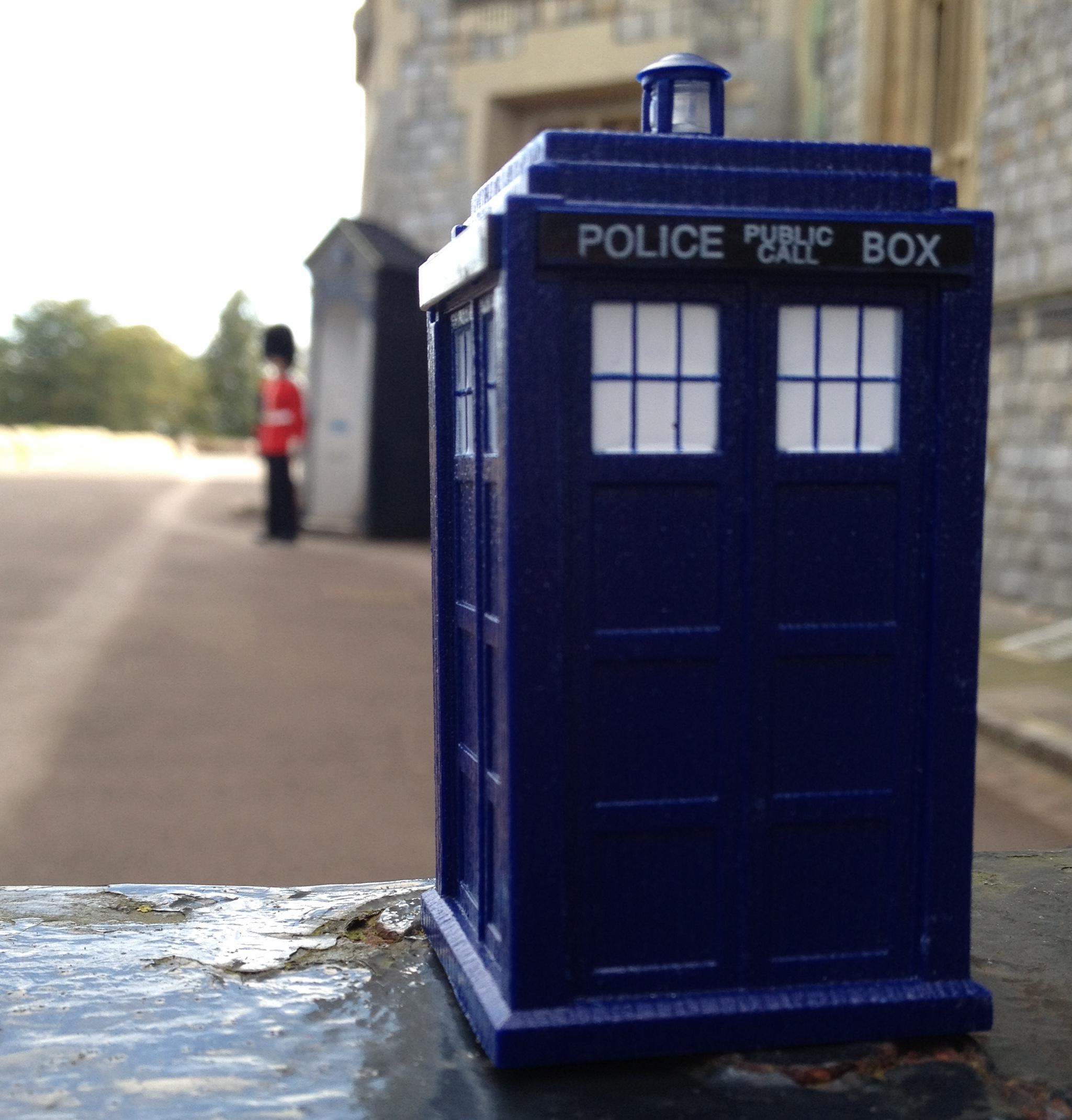
TARDIS at WindsorIt’s a strange thing, traveling through the land that has informed so much of your imagination.  The castles and keeps, the unending hills, the barrows (the barrows!), the city streets that wend and wind and turn in on themselves: it was all there.  And that’s just the literary stuff.

I tried to talk British pop culture every chance I got.  It wasn’t often, but it was good.  King Arthur? Myth.  Robin Hood?  Myth.  Douglas Adams? Who? Broadchurch? State of Play? Catherine Tate? Martin Freeman? Simon Pegg? I asked it all.  The tour guide seemed impressed with my knowledge of Brit-pop, and that was nice.  But it always came back to Doctor Who for me.  “Oh yes.  That scared me to death as a child.”  And then: “my daughter is terrified of the Weeping Angels.  She just can’t go to bed after seeing them.”  Ah.  Very nice.

It really is amazing to me how much quality work comes from England.  They produce great stuff.  They tap into something good and deep that lies just beyond the Wild West of the American imagination.  And while it was great to hear about Wordsworth and the Bronte sisters and Shakespeare, it was of great comfort to find that some of the things that had made their ways across the Atlantic were important to both shores.

+ + + + + +

In my list of favorite moments yesterday, I forgot to mention another great moment in Oxford.  While visiting the university, we got to step into an exhibit of artwork as it related to magic in English literature.  On display?  At least two of Tolkien’s original covers to The Lord of the Rings as well as on of Lewis’ original Narnia maps.  There was, alas, no photography allowed.  Great moment, though.  Made me love Oxford all the more.

Posted in Travel | Leave a comment

Mind the Gap

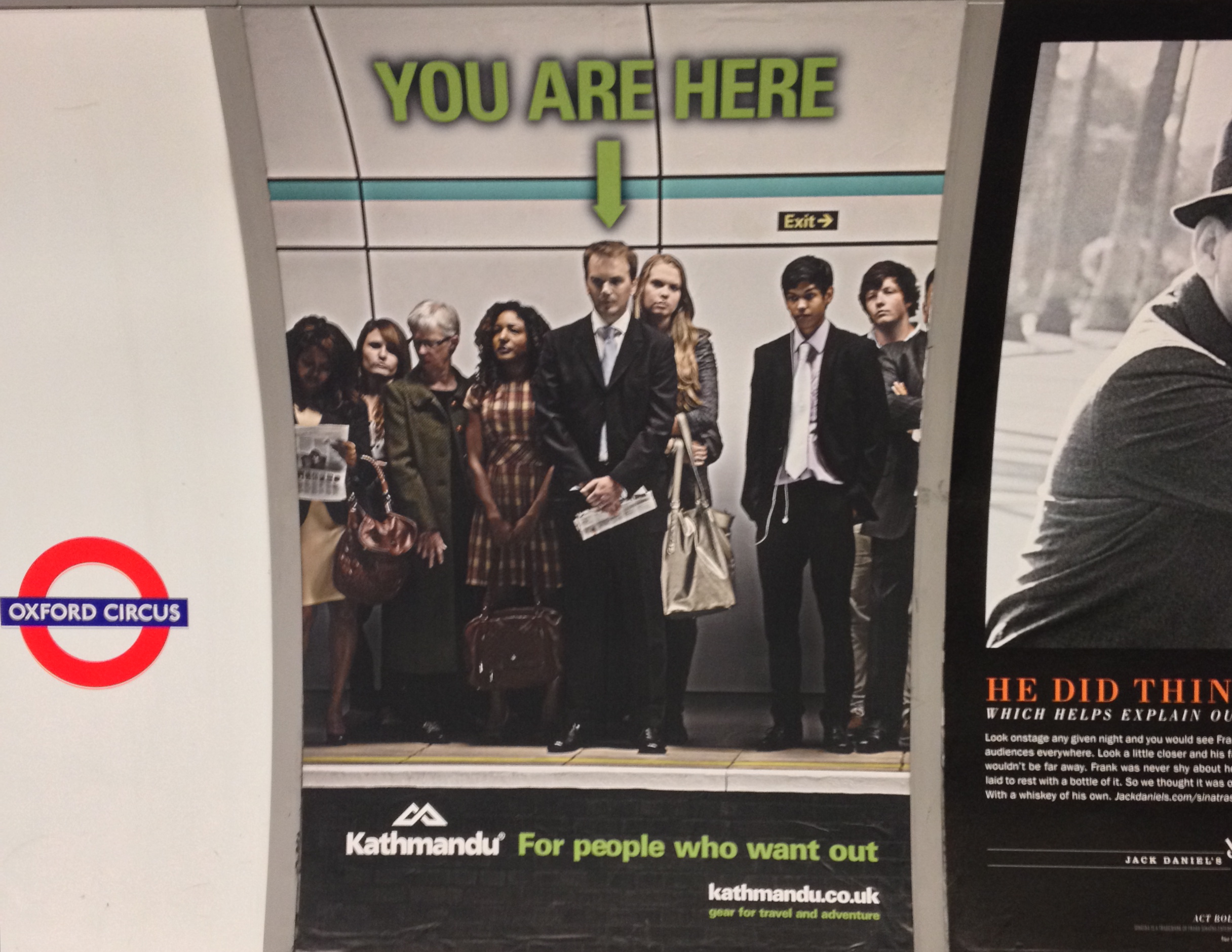
The UndergroundIt’s a strange thing, going “there and back again.”  Travel can be a kind of parenthetical experience, one that should bring many new experiences but ought not (some might say) create any real change.  A kind of existential gap can form, like the space between the car and the platform on the London Underground.  If you’re not careful, you stumble as you move from one space to the next.  “Mind the gap,” they say.

England was good, and it was good for me.  I am often unsure of what to say when people ask if it met my expectations or what I liked best.  And so through jet lag and a nasty cold, I’ve slowly been able to process some highlights, a list I’ll simplify here but would tell you more about in a heartbeat.  And so, my greatest England moments:

  • eating my first (and only) Cornetto
  • reciting the Saint Crispin’s Day speech in Shakespeare’s home
  • rowing (and being rowed) down the River Avon
  • treating my students to tea in the Eagle and Child
  • early morning walks and breakfasts in each town we stayed in
  • walking a long way and stumbling upon The World’s End

Almost too short and simple, I know.  There was more than that.  So much more, really.  It was a wonderfully balanced, almost mellow, trip.  It was walking and singing and learning and writing and all kinds of things you have to work hard to capture well.  I’ll mention a few more things over this week in an attempt to “mind the gap” and make some kind of transition back to life here and now.  I’m glad to be back, but I’m more than glad to have gone.

Posted in Travel | Leave a comment

The Space Between

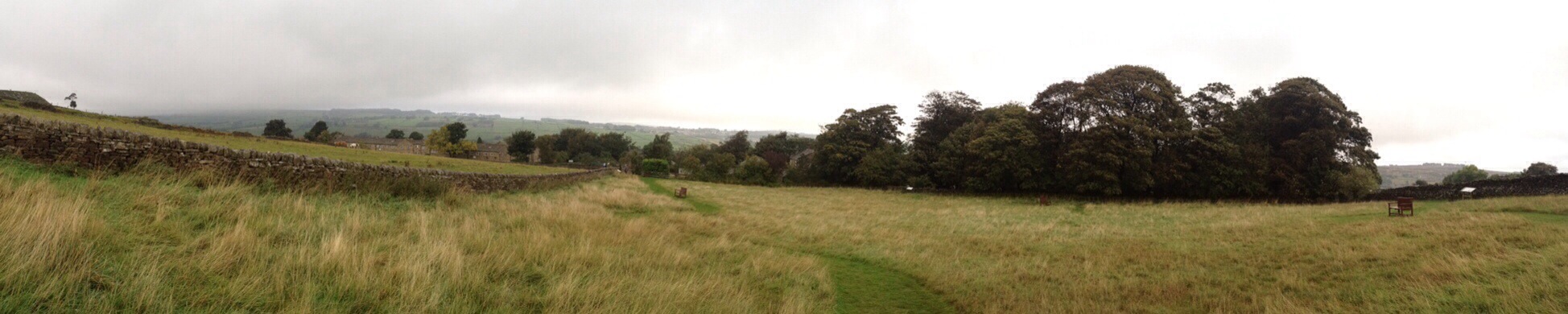
Been in England a few days now. We started in Manchester, travelled the Lake District, visited Haworth, and settled in for a bit in Leeds. And while the locations have been amazing (Haworth is as close as I’ll get to Diagonal Alley, I imagine), it’s the countryside, the space between the places, that brings the consistent beauty. Hill upon hill upon hill, each with its own flock of sheep. A sky that won’t stop. Not much of a way to make a stop for that kind of countryside, though. I’ve tried to catch pictures of it, but the coach moves on. A feast for the eyes in the moment. And more than enough to keep you from reading the book you brought to help you pass time and think about where you are.

20131005-072346.jpg

Posted in Travel | Tagged , | 1 Comment

Taking a Walk with Tolkien and Lewis

Turns out that September 19 is something of a significant date in the world of Tolkien and Lewis.  I found this out because of a post by Justin Taylor over at the Gospel Coalition.  Below is a dramatization of a conversation between Tolkien and Lewis that helped move Lewis closer to Christianity that happened years ago on that date.  It’s all about myth and story, and it is brilliant.

You can see Taylor’s original post here.

Posted in Books, Faith, Internet | Tagged , , | Leave a comment

Being Mosby: One Ticket to Farhampton

You can tell a lot about a show by how well it revisits its initial premise.  It’s more than just flashbacks: it’s recall in order to remind us of how far characters have come.  How I Met Your Mother has twisted in upon itself a number of times in its eight-year run.  It’s introduction of and then maternal dismissal of Robin in the first episode brought in the series’ two dominant plots.  And now, as they season prepares for Robin’s wedding and Ted’s introduction to the Mother, I think it’s fitting to look at the last scene before the last season.  Having watched it again last week, I am reminded of it’s brilliance: how it sets a whole season up perfectly, how it gives each of the main players one last reflective moment, and then how it slowly but surely gives us a moment we’ve been waiting for.

I was no always sold on the idea of adding a ninth season.  Then I heard of plans to make the whole season “take place” over the course of one weekend.  I find myself ready, though, for the best that Carter and Bays can give us.  The ending is a foregone conclusion.  And while there might be some heartbreak along the way (Barney and Robin, really?), there should be a lot of great moments along the way, too.

Posted in Internet, Television | Leave a comment

Being Mosby: Forty-five Days

As a kind of “prep” for Monday night’s final season premiere of How I Met Your Mother, I took it upon myself to watch some old (seasons 1-4) and some not-so-old (season 8) episodes of what has become the last sitcom I really care about.  I made a point of rewatching season eight’s weirdest episode, “The Time Travelers.”  The episode takes the shows knack for multiple time-lines to the point of credulity as Ted meets both Teds and Barneys from the near and relatively distant future as he tries to decide on whether or not to go to “Robots versus Wrestlers” alone.  Time goes all timey-wimey when we find out that the event has already taken place and that Ted has been trapped in desperate loneliness (which is saying something).  And then, somehow, he makes a run for it:

If it wasn’t Ted, it would be an over-the-top moment.  But he nails it, and necessarily so.  The guy is totally alone, left only with imaginary conversations, while those he loves the most have gotten on with their lives.  Sobering moment, but one worth remembering as the show turns the page and the Mother is introduced.

Posted in Internet, Television | Tagged , | Leave a comment

And Then Seth Godin and Worldview

GlassesIt was great reading N. T. Wright’s slant on the idea of worldview.  It’s even better, perhaps, to see someone outside of the realm of religion write about it.

Seth Godin, marketing thinker, has been posting responses concerning his previous books each week on his blog.  In a recent response to Tribes, he made a point about worldview that many people, especially those who use it in the religious realm, forget about.

In reflection on the fiftieth anniversary on the March on Washington and how change was brought about:

Worldview isn’t sufficient, and worldview isn’t impossible to change. But what worldview does is give you the bridge, the ability to engage people in the tribe, and then, and only then, do you have the privilege to change the conversation.

The goal isn’t to find people who have already decided that they urgently want to go where you are going. The goal is to find a community of people that desire to be in sync and who have a bias in favor of the action you want them to take.

“Worldview gives you the bridge.”  I like that.  Too often, worldview is seen as an end to itself.  “If we can just get everyone to believe the same thing then we’ve accomplished our task.”  Hogwash.  A common worldview is the starting point, not the end point.  A worldview without world-engaging implications is ultimately meaningless.

You can read more of Godin’s article here.  As always, I highly recommend his blog (even if you’re not into marketing).

Posted in Internet | Tagged , | Leave a comment

N. T. Wright and the Question of Worldview

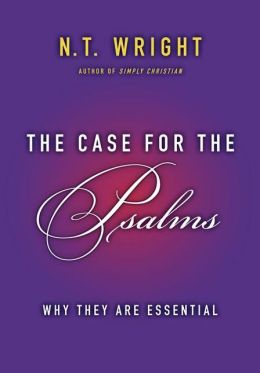
The Case for the PsalmsN. T. Wright’s latest book, The Case for the Psalms, dropped last week without much fanfare.  It’s a little book, small in both page size and page count.  It is also, surprisingly, a brilliant book about worldview.

Worldview has been a part of my vocabulary since my junior year of college, when I intercepted and read a book being passed from one teacher to another. I’ve been able to nurture the concept’s place in curriculum over the last few years, too.  So I was quite glad to see Wright’s take on the book of Psalms as a worldview-shaper.

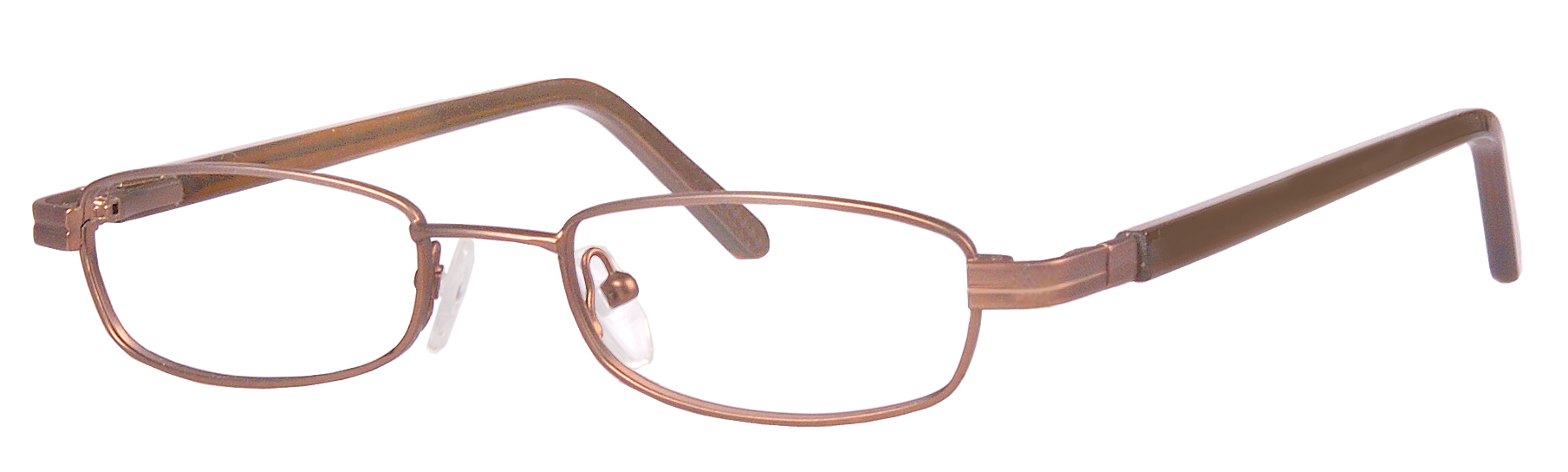
Early in the book, Wright distinguishes his use of the term from the more Francis Schaeffer-esque view, which is “used to refer to a basic kit of would-be Christian assumptions that for some reason have taken on a particular political slant.”  Instead, Wright employs worldview as “something like a pair of spectacles: it is what you look through, not what you look at. Worldviews . . . are a swirling combination of stories, symbols, habitual praxis, and assumed answers to key questions.”

For Wright, the Psalms are a key component of that swirl.  And, as is so often the case, Wright presents his thoughts brilliantly.  The Law.  Second-Temple Judaism.  Messianic imprints throughout the book.  Regular church practice.  All of it is there.  All of it based on a “creational monotheism” that stands opposite of our own modern Epicureanism.

Christianity Today just posted an interview with Wright concerning the book.  I’d encourage you to read it to get a better picture of his thoughts.  You can read the interview here.  The book, The Case for the Psalms, is available online or at your local Barnes and Noble.

Posted in Books, Faith, Internet | Tagged , | Leave a comment

This Is “What You Want”

If you haven’t done so yet, I strongly encourage you to check out I Was Wrong, I’m Sorry, and I Love You by Derek Webb.  The album has officially dropped and can be purchased in CD or digital form.  I recently came across one of my favorite Webb songs from his Caedmon’s Call days, specifically from Long Line of Leavers.  Below is a live version of “What You Want,” which has some of the best circular lyrics in the business.  I appreciate the joke Webb makes at the beginning as he mentions CCM’s other great band, the Normals.  Wonderfully complicated song for amazingly complicated people.

Posted in Internet, Music | Tagged , | Leave a comment

The World’s End Reconsidered

A Map for the World's EndMost critics agree: the summer of 2013 reminded us of the disposability of blockbuster movies.  It seemed like every few days some new $100 million would-be blockbuster premiered, made a lot of money, and then was replaced by the next blockbuster.  If you were lucky, you stayed in the collective consciousness for a couple of weeks.  If you were unlucky, you were like The Lone Ranger or RIPD: DOA.

While most people will probably never see it, The World’s End has bucked that trend.  Sure, it’s one of almost a dozen movies that featured the end of life as we know it on planet Earth.  But it also has a repeat-viewing factor that blockbusters like Iron Man 3 or Man of Steel don’t necessarily have.  Once you get over the surprise twists of such movies (he has no powers?! he killed his enemy?!), there’s not much to talk about.  On the other end, there’s something like Woody Allen’s Blue Jasmine, which featured Cate Blanchett in an amazing performance.  By the end of the movie, though, you feel bad for laughing at so many things that look like mental illness.  And while TWE features a protagonist with a major problem, there’s an overarching storyline that is big enough to make the discerning viewer want to go back for more.

I say this partly because I’m a big fan of the movie but also because of a recent article posted to HTMLGIANT by AD Jameson.  The article is a brilliant dissection of The World’s End, one that co-writer and actor Simon Pegg tweeted as being “not all right but mostly bang on.”  “25 More Pints” is a twenty-five point consideration of the movie through a couple of different critical lenses: one based on the Cornetto trilogy and another based on the intricacies of the movie itself.  And it is brilliant.  Dialogue, recurrences, allusions to King Arthur, so many things that might seem lazy when used by others adds real depth to a story many might fight unsettling.  Childhood and childhood’s end.  Small town life.  Technology.  Aliens.  It’s all there.  Jameson even brings in big words like polysemy and concepts like the royal we, for crying out loud.  I recommend the article to you, but only if you’ve seen the movie.  And after you read the article, you’ll probably want to see the movie again.  My favorite quote from the article is about how the movie handles adulthood as seen in the juxtaposition of Gary (whose life never got better than the end of high school) and his four friends (who have all gone on to “respectable” work and family life):

The World’s End, then, is an attack on the modern world, and a model of adulthood that necessitates replacing authentic youthful companions with corporate ones—friendships born out of career advancement, and the outward signs of progress, rather than genuinely liking someone, and therefore protecting them.

and

King doesn’t want to sober up, and that is indeed sad. There’s something pathetic about the guy who’s greatest night was some drunken teenage night. But at the same time, King stands firmly opposed to the phoniness of adult life—to the pretense of appearance. That is the way in which he’s heroic: he’s the only one who calls out getting older as “a big lie.” He’s fearless in his honesty, wearing his devotion to his childhood passions proudly.

If your up for some intense British humor, check out the movie.  And check out all of Jameson’s article here.  The language is rough, so be warned.  But for critical thinking about a movie that has some kind of truth to it, you can’t go wrong.

Posted in Internet, Movies | Tagged | Leave a comment